
- Key Takeaways
- Why Surgery
- St. Peters Surgical Options
- Your Local Care Path
- Life After Removal
- The Financial Picture
- Beyond the Basics
- Conclusion
- Frequently Asked Questions
- What are common reasons for gallbladder removal in St. Peters?
- What surgical options are available in St. Peters for gallbladder removal?
- How long is recovery after gallbladder removal in St. Peters?
- What changes should I expect after gallbladder removal?
- How much does gallbladder removal cost in St. Peters?
- Are local St. Peters hospitals experienced in gallbladder surgery?
- Will I need follow-up care in St. Peters after surgery?
Key Takeaways
- Gallbladder removal in St. Peters is often recommended for chronic inflammation, blocked bile ducts, gallstone attacks, and gallbladder dysfunction, with timely intervention being key to preventing severe digestive complications.
- Your surgical options in St. Peters range from laparoscopic and robotic-assisted to open procedures, each offering its own advantages and healing experience. Consultations with local surgeons help us identify which technique might be best for your specific health needs.
- Patients in St. Peters follow a structured care path: initial consultation, pre-surgical imaging, detailed surgery day logistics, and personalized aftercare, ensuring a comprehensive and supportive experience.
- Recovery after gallbladder removal involves rest, a gradual return to normal activities, dietary modifications, and adherence to post-surgical guidelines, with local providers offering tailored nutrition and wellness support.
- Make sure you have your financial planning in place. Understand what your insurance covers, hospital charges, and surgeon fees for St. Peters. Direct communication with your healthcare and insurance teams can help you manage costs.
- Continuing nutrition education, follow-ups, and community groups in St. Peters play crucial roles in maintaining digestive health and emotional support post-gallbladder surgery.
Gallbladder removal in St. Peters is a common surgery done to treat gallstones, pain, or infection in the gallbladder. Nearly all of the local hospitals and clinics provide open and laparoscopic options with recoveries that frequently fall within local work and school schedules.
Local surgeons employ state-of-the-art equipment and comply with safety standards established by Missouri health boards. To assist in selecting a provider, the following section describes what to anticipate before, during, and after the procedure.
Why Surgery
Gallbladder removal surgery, or cholecystectomy, is a common procedure in St. Peters for those who are dealing with stubborn or intense gallbladder problems. Surgery is not the first step but becomes necessary when symptoms interfere with your daily life or when there is a risk of more serious complications.
Sometimes surgery is the only means of preventing complications like infection, rupture or bile duct obstruction.
- Severe or frequent gallstone attacks
- Chronic gallbladder inflammation (chronic cholecystitis)
- Blocked bile ducts causing jaundice or infection
- Dysfunction leading to ongoing digestive problems
- Large or suspect polyps that could become cancerous
- Recurrent pain not controlled by other treatments
- Family history of gallbladder disease increasing risk of complications
1. Gallstone Attacks
Gallstone attacks can deliver sudden, excruciating pain in the upper right abdomen. At times, this pain radiates to the back or right shoulder. Nausea, vomiting, and bloating can occur.
These attacks often happen after fatty meals. On St. Peters, gallstones are a source of persistent digestive distress for lots of people. Some people experience intermittent pain, while others experience attacks multiple times per month.
The more frequent these attacks occur, the greater the risk that surgery will be required. If gallstones block bile flow, this pain can worsen. Over time, this blockage can cause infection or even rupture of the gallbladder.
Surgery becomes the best way to interrupt these attacks and avoid bigger issues.
2. Chronic Inflammation
It’s called chronic inflammation, or chronic cholecystitis, meaning your gallbladder is perpetually irritated and inflamed. This persistent inflammation has the potential to erode the walls of the gallbladder, leaving it vulnerable to rupture or infection.
Almost everyone with chronic cholecystitis attempts medicines or diet modification initially. If symptoms linger, surgery is usually the next stop. If left unattended, chronic inflammation can result in severe pain, fever, or even a dissemination of infection to other organs.
Physicians in St. Peters suggest surgery when the risk for issues such as an abscess or perforation becomes intolerable for other options.
3. Blocked Bile Ducts
If gallstones or swelling block the bile ducts, bile cannot drain from the liver. This leads to jaundice, which makes the skin and eyes yellow and causes gastrointestinal symptoms such as nausea or vomiting.
Surgery helps by removing the obstruction and reducing the chances of infection or liver impairment. Individuals can present with dark urine or pale stools which are indicative of obstructed ducts.
In St. Peters, physicians manage these symptoms aggressively to prevent fatal complications. If you wait too long, that blockage can cause sepsis or pancreatitis. This is why surgery is commonly emergent.
4. Gallbladder Dysfunction
Gallbladder dysfunction means that the organ isn’t working properly, so bile doesn’t flow appropriately. This may give you a stomach ache, gas, or indigestion.
Some experience initial mild symptoms, these tend to deteriorate. Drugs and diet can do some good for awhile, but tons of people require surgery to solve the issue.
Laparoscopic cholecystectomy is here in St. Peters with less pain and a quicker return to normal life. For example, surgery for gallbladder dysfunction allows people to eat more freely and reduces sick days.
5. Polyp Prevention
Gallbladder polyps are tiny growths that occasionally become cancerous. If polyps are large or growing, surgery is required to avoid any future issues.
St. Peters docs monitor polyps with ultrasound. If they notice changes, they recommend surgery before it deteriorates. Prompt care keeps people safer and prevents complications down the road.
The only guaranteed way to avoid polyp complications is to remove the gallbladder.
St. Peters Surgical Options
A few words about St. Peters surgical options.
ST. PETERS SURGICAL OPTIONS Our mainstays are laparoscopic, robotic, and open procedures. Nearly all procedures at St. Peters employ minimally invasive techniques, restricting recovery times and minimizing complications.
Our surgical staff at St. Peters walks patients through each stage, from pre-op check-in at the front desk to post-op diet and activity restrictions.
|
Surgical Approach |
Incision Size |
Recovery Time |
Scarring |
Popularity |
|---|---|---|---|---|
|
Laparoscopic |
Small, multiple (<1 in) |
1-2 weeks (light), 4-6 weeks (full) |
Minimal |
Most common |
|
Robotic |
Small, precise (<1 in) |
1-2 weeks (light), 4-6 weeks (full) |
Least |
Increasing |
|
Open |
Large (4-6 in) |
4-6 weeks (full) |
Noticeable |
Less common |
Laparoscopic Standard
Laparoscopic gallbladder removal is the most frequent type in St. Peters. Surgeons make a few tiny incisions, typically less than an inch, and insert long thin instruments to excise the gallbladder.
This is a minimally invasive technique compared to open surgery. Patients gain less pain, smaller scars and speedier healing. The majority return to light activity within one to two weeks.
Complete healing can take four to six weeks, although some experience mild soreness during the initial week. Studies show laparoscopic surgery in St Peters has a complication rate of only around three percent if performed early in the course of acute disease.
Seasoned surgeons are the secret to secure results. The surgeons’ skill minimizes risk and gets you back on your feet faster.
Robotic Precision
Robotic gallbladder surgery involves the use of state-of-the-art systems that allow surgeons to manipulate miniature instruments with great precision. The robot’s arms are more steady than a human hand.
This approach helps minimize tissue trauma and allows for improved visualization of the operative field. Patients heal faster and have less pain since incisions are smaller than with traditional laparoscopy.
St. Peters surgical units employ single port robotic instruments, which can result in fewer scars and less hospital time. More patients and surgeons choose it today because of the technology’s consistency and excellent outcomes.
Open Procedure
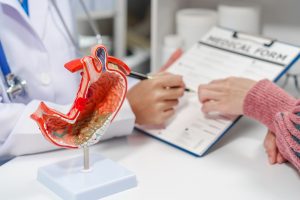
Open gallbladder removal is uncommon today but remains in use when laparoscopic or robotic removal is unsafe. This could be due to extreme inflammation, previous upper belly surgery, or abnormal anatomy.
The surgeon makes a bigger incision, typically four to six inches long, beneath the right ribs. This translates into more healing time, with complete recovery occurring four to six weeks, occasionally longer if complications develop.
Patients will experience more pain and scar tissue. Experienced surgeons in St. Peters are critical for these complicated cases, providing careful excision and diligent follow-up.
Your Local Care Path
Your local care path to gallbladder removal in St. Peters is guided with steps all grounded in evidence-based practice and patient-centered care. It begins with our consultation, flows into our imaging, and culminates on surgery day, with every step planned to promote recovery and lasting health.
Initial Consultation
Step 1: Meet with a board-certified surgeon to review symptoms, health history, and medications. The surgeon inquires about the pattern of your pain, the duration of symptoms, and any associated conditions, such as bowel disturbances or prior abdominal operations.
Patients should be upfront about lifestyle, diet, and various other conditions so the care team can build a complete profile. Sharing your background is crucial. This assists the team in identifying risk factors and determining whether surgery is the right option.
It facilitates a personalized care plan that suits your individual needs, factoring in allergies, current treatment, and family history. During this visit, your surgeon might talk you through what surgery entails, the different approaches, laparoscopic versus open, and what recovery time you might expect.
Patients will be able to inquire, express concerns, and talk about support at home for the initial week. This transparent communication helps establish expectations and confirm the plan aligns with your values and health objectives.
Pre-Surgical Imaging
Preoperative, most patients will have an ultrasound, the mainstay imaging to screen for gallbladder disease. This exam may reveal gallstones, infection, or obstruction. Sometimes a CT scan or MRI may be utilized to get a finer look if there are any ambiguities or to detect complications.
Precise imaging provides the surgical team with a map of what they’ll face. It assists in recognizing any freaky anatomy or potential concerns, like infection or bile ducts, that would alter the surgical plan. Early intervention on these issues reduces complication rates.
Fresh research out of St. Peters shows early laparoscopic surgery reduces complications to only 3%. These images help inform the surgeon what the safest approach will be. They assist patients in comprehending why surgery is necessary and what might be involved, enabling more informed consent and fewer surprises.
Surgery Day Logistics
Surgery day – typically, patients will be instructed to not eat for a minimum of eight hours and modify medications per the care team. Once you check into the hospital, staff will double-check your ID and allergies and make sure they have the right procedure.
Patients reconvene with the surgeon and anesthesiologist to go over the plan. Post-surgery they get explicit instructions for painkiller use, wound care and restrictions like no heavy lifting for a month.
Most are back to light activities in 1 to 2 weeks, but may feel some tenderness at the incision site for the first week. Dietary changes are frequent, so a nutritionist can offer customized meal plans, typically recommending a low-fat regimen and slow reintroduction of fiber.
Home support is suggested for week 1, particularly with meals and chores.
Life After Removal
Life after gallbladder removal in St. Peters involves developing new routines and discovering how the body functions in the absence of this organ. Most patients see a significant reduction in pain and discomfort immediately after surgery. Healing, diet, and long-term wellness require patience, a good eye toward symptoms, and close follow-up with doctors.
The First Week
The initial post-op period following gallbladder removal is generally characterized by tender incision sites and fatigue that dissipates over time. Those who have laparoscopic surgery recover quicker, about two to six weeks. Open surgery can take six to eight weeks.
Sleep heals the body, so patients are often advised to rest and take brief walks around the house as tolerated. Pain is usually straightforward and may require over-the-counter medications. Some people experience bloating or mild digestive upset, but these resolve over time.
Loose stools or diarrhea are common in the first two to four weeks and tend to be self-limiting. Most people can resume light daily activities within a few days, but heavy lifting and vigorous exercise should be held off until your doctor gives the green light.
Dietary Evolution
- Begin with clear liquids and light broths. Gradually incorporate easy-to-digest foods.
- Have mini-meals, four to six a day, instead of three big meals.
- Stay away from greasy, fried, and spicy foods that might upset digestion.
- Add fiber-rich foods slowly to minimize the risk of diarrhea.
- Drink water throughout the day to stay hydrated.
- Consider digestive enzymes or probiotics if advised by a physician.
Reintroducing foods gradually assists the digestive tract in acclimating. Most have to eat very small servings for a couple days in order to prevent pain or cramping. Meal planning is key.
A registered dietitian can provide personalized advice. In St. Peters, patients are routinely given local eating guides from their care team. Custom meal plans ward off digestive issues and accelerate recuperation.
Long-Term Wellness
Getting used to life without a gallbladder requires a few weeks to months. Most folks are able to return to normal food intake within three to six months. A nutritious, well-balanced diet containing lean proteins, whole grains, fruits, and vegetables keeps your digestive system functioning properly.
Some people do well with continued use of probiotics or digestive enzymes, particularly if symptoms persist. Digestive adaptations are common, and infrequent bowel habit changes can continue.
Routine check-ups with a St. Peters provider keep issues from sneaking up on you. These appointments are crucial for ongoing health and peace of mind.
The Financial Picture
Gallbladder removal in St. Peters comes with some financial aspects that you’re going to want to consider prior to surgery. Medical costs add up quickly, and you should know what to expect. Think about insurance coverage, hospital charges, surgeons’ fees, and communicating about costs.
Use this checklist to guide your planning:
- Confirm your insurance covers gallbladder removal surgery.
- Request an itemized list of anticipated hospital expenses from your supplier.
- Get clear on the surgeon’s fees and payment policies.
- Ask for fee quotes on any associated treatments and aftercare.
- Be a squeaky wheel and question any portion of the bill that you don’t understand.
Insurance Navigation
Here’s the insurance on gallbladder surgery. Every plan is different, so patients need to really examine their policy information, including copays, deductibles, and out-of-pocket maximums, as well as the preauthorization process. Certain plans may cover only standard laparoscopic procedures, while others may cover robotic or single-incision. Making sure of coverage before you book surgery avoids surprises.
Patients should verify benefits directly with their insurer, not just hospital personnel. Most insurers provide online tools and toll-free numbers to demystify coverage and assist with cost estimation. One proactive approach with insurance staff is asking for approval letters in writing and documenting all conversations. This can make a difference if disputes arise later.
Confirming coverage makes certain patients don’t get claims denied or incur additional out of pocket expenses. For high-deductible or limited plans, local social workers or case managers at St. Peters hospitals will help demystify benefits and link patients with financial counselors.
Hospital Costs
|
Service |
Estimated Cost (USD) |
|---|---|
|
Outpatient laparoscopic cholecystectomy |
$7,000 – $15,000 |
|
Inpatient hospital stay (per night) |
$1,500 – $3,000 |
|
Robotic cholecystectomy |
$10,000 – $18,000 |
|
Anesthesia fees |
$800 – $2,000 |
|
Postoperative care and labs |
$500 – $1,200 |
Depending on the procedure, hospital costs can be quite different. Laparoscopic cholecystectomy is the gold standard, providing a shorter stay and lower cost, whereas robotic surgery frequently results in increased charges with no demonstrable outcome advantages for the majority of patients.
Nights in the hospital, additional tests, and visits can all add to the bill. Early laparoscopic removal, now routinely performed at St. Peters, decreases complications and assists in lowering the cost to patients as well as the healthcare system.
Patients should always request a cost estimate prior to surgery, which hospitals in St. Peters are mandated to print if requested. Price transparency empowers patients to understand their obligation and make informed decisions before receiving care. A few hospitals will provide payment plans or discounts for hardship. Knowing what is on every line of your bill is important since some of these surprises can be avoided or even challenged.
Surgeon Fees
Surgeon fees vary according to the provider’s experience, surgical technique, and complexity of the case. More advanced techniques, like robotic or single-incision laparoscopic cholecystectomy, tend to result in increased fees, whereas traditional three-port laparoscopy continues to be the most economical.
Going over the complete cost details with your surgeon in advance provides you with a straightforward preview. While some surgeons might charge extra for mini-port or hybrid procedures, these can lessen pain or accelerate recovery in select patients.
Have frank conversations with the surgical team about fees, from consult to follow-up. Personally, I love that because it’s a pain to have to call around to find out what something will cost. Transparency helps patients plan and mitigates the risk of surprise post-surgical costs looming.
Inquire about bundle options or cash discounts. Specify whether anesthesia, facility and assistant surgeon fees are included as these can be billed separately on occasion. A single incision may be more expensive in the long run, given its predisposition to incisional hernia, so consider these costs carefully with your provider.
Beyond the Basics
Gallbladder removal is standard fare in St. Peters, but the impact goes well beyond the OR. Here it unpacks the deeper impacts on digestion, mental health, and the ongoing support that shapes recovery and the necessity of continued education about living without a gallbladder.
Your Digestive Shift
Once the gallbladder is removed, so is your body’s secret weapon in digesting fat. The gallbladder’s job is to store and release bile in steady bursts during meals. Post-surgery, bile from the liver trickles into the gut all day, occasionally making fat digestion less effective.
This change can lead to slight bloating, loose stools, or increased urgency, particularly with fatty meals. Your body typically adapts during those first few weeks. Your timeline may vary. Be patient. The digestive tract needs time to establish a new equilibrium.
A bland, low-fat diet makes this transition easier on your system, requiring less effort from your gut and reducing complication risks in the immediate recovery period. Knowing this process is important for long-term well-being. Understanding the impact of dietary habits on digestion puts patients in a position to sidestep problems and recognize red flags for uncommon complications, like spilled-stone abscesses that reemerge years down the line.
It’s essential to keep in mind that most patients resume normal activities within 1 to 2 weeks, but heavy lifting or intense workouts need to be delayed for 2 to 4 weeks to minimize risk.
The Mental Recovery
Recovery isn’t only physical. Your mental well-being suffers as well. Others are nervous or uncertain about what life will be like without a gallbladder. Almost any pain or small setback in healing can feel frustrating and make it more difficult to remain optimistic.
Being surrounded with the right support, be it friends, family, or a counselor, can make a big impact. Opening talks about feelings helps to clear up misunderstandings. Small group chats, peer check-ins, or even just writing down thoughts can make people feel less alone.
Tending to your mind is as crucial as tending to your pain or your post-operative diet.
Community Support
St. Peters has patient resources if you want to connect. Local hospitals, wellness centers, and clinics have support groups, both in-person and online. These communities enable patients to tell tales, exchange tips, and inquire without stigma.
Speaking with other patients who had the same procedure instilled confidence. Knowing points on diet, exercise, and dealing with surprise symptoms makes people feel ready. Community support doesn’t only provide knowledge; it fosters a community of belonging, which is crucial to a healthy recovery.
Conclusion
Gallbladder removal St. Peters – clear path to care, expert local surgeons, real follow up. People here receive clear solutions and assistance that matches their life, not just their charts. Our easy steps and team that keeps things on track means recovery moves fast for most. Prices are transparent, with choices for every budget, and nobody is left in the shadows. Want a hand with the next steps or have more questions? Contact your St. Peters care team or inquire at your local clinic. Keep your wits, question what counts, and keep your health front and center. You’ve got this—St. Peters has you.
Frequently Asked Questions
What are common reasons for gallbladder removal in St. Peters?
Gallbladder removal is often suggested by doctors for gallstones, pain, or infection. In St. Peters, the majority of these operations are performed because of gallstones that result in persistent symptoms.
What surgical options are available in St. Peters for gallbladder removal?
St. Peters hospitals provide both laparoscopic (minimally invasive) and conventional open operations. Almost all patients are candidates for the less invasive laparoscopic approach.
How long is recovery after gallbladder removal in St. Peters?
The vast majority of St. Peters patients return to light activity within a week. Complete recovery typically takes two to three weeks in cases of laparoscopic surgery.
What changes should I expect after gallbladder removal?
Most individuals are able to eat a regular diet. However, some may need to avoid greasy foods. Your St. Peters doctor will provide you with diet tips.
How much does gallbladder removal cost in St. Peters?
Depending on your insurance, facility and surgery type, costs will vary. In St. Peters, most people pay between $1,500 and $5,000 out-of-pocket.
Are local St. Peters hospitals experienced in gallbladder surgery?
Sure – St. Peters has talented surgeons and state-of-the-art surgical centers for gallbladder removal.
Will I need follow-up care in St. Peters after surgery?
Yes. So most providers schedule a follow-up visit one to two weeks after surgery to check your healing and answer questions.