
What Is an Anal Fistula?
An anal fistula is an abnormal tunnel that forms between the inside of the anus (the opening where stool passes) and the skin around the anus. It often develops after an infection or abscess in this area that does not heal completely.
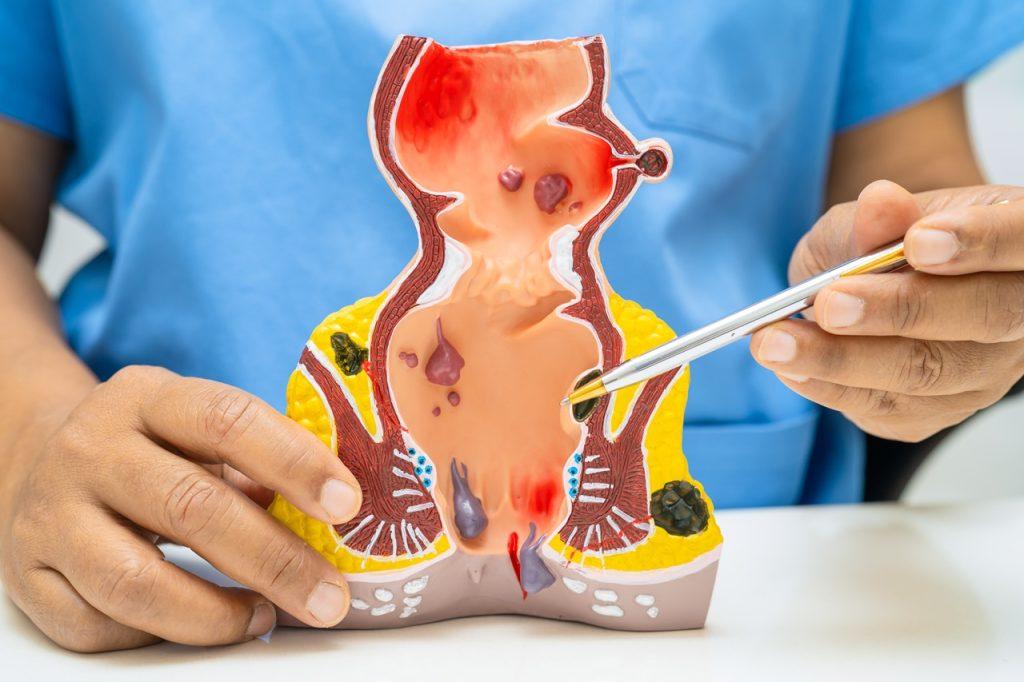
Why Do Anal Fistulas Happen?
Most anal fistulas begin with an anal abscess, which is a pocket of infection near the anus. When the abscess drains or is treated, a tunnel may remain, creating a fistula.
Other possible causes include:
- Inflammatory bowel disease (such as Crohn’s disease)
- Repeated infections near the anus
- Previous surgery in the anal area
- Radiation treatment to the pelvis (less common)
- Trauma or injury to the area (rare)
Common Signs and Symptoms
Symptoms can vary, but may include:
- Pain or swelling around the anus
- Recurrent or constant drainage of pus or blood
- Skin irritation around the anus
- Pain when sitting, walking, or having a bowel movement
- Fever or chills (if infection is present)
- A small opening or sore near the anus that does not heal
If you notice persistent drainage or repeated infections, it’s important to seek medical care.
How Is an Anal Fistula Diagnosed?
Your healthcare provider may:
- Perform a physical exam of the anal area
- Ask about symptoms and medical history
- Use imaging tests (such as MRI or ultrasound) if the fistula is complex or not easily seen
How Are Anal Fistulas Treated?
Anal fistulas usually do not heal on their own and often require treatment. The goal is to eliminate the fistula while protecting bowel control.
Treatment depends on the type and location of the fistula and may include:
Surgical Options
- Fistulotomy: Opening the fistula so it can heal from the inside out
- Seton placement: A soft string placed in the fistula to allow drainage and reduce infection risk
- Advancement flap or closure procedures: Used for more complex fistulas to protect the anal sphincter muscles
Your provider will discuss the best option for your situation.
Medications
- Antibiotics (if infection is present)
- Pain relievers
- Stool softeners to prevent straining
What to Expect After Treatment
- Some pain or drainage is normal during healing
- Complete healing can take weeks to months
- Follow-up visits are important
- You may be advised to:
- Take warm sitz baths
- Keep the area clean and dry
- Eat a high-fiber diet and drink plenty of fluids
When to Call Your Healthcare Provider
Contact your provider if you have:
- Increasing pain, swelling, or redness
- Fever or chills
- Heavy bleeding
- Foul-smelling drainage
- Trouble controlling bowel movements
Living With and Preventing Recurrence
While not all fistulas can be prevented, you can reduce complications by:
- Treating anal abscesses promptly
- Managing chronic conditions like Crohn’s disease
- Avoiding constipation and straining
- Following all post-treatment instructions carefully
Key Points to Remember
- An anal fistula is a tunnel caused by infection near the anus
- It commonly develops after an abscess
- Treatment usually involves a procedure or surgery
- Early treatment improves healing and reduces complications